

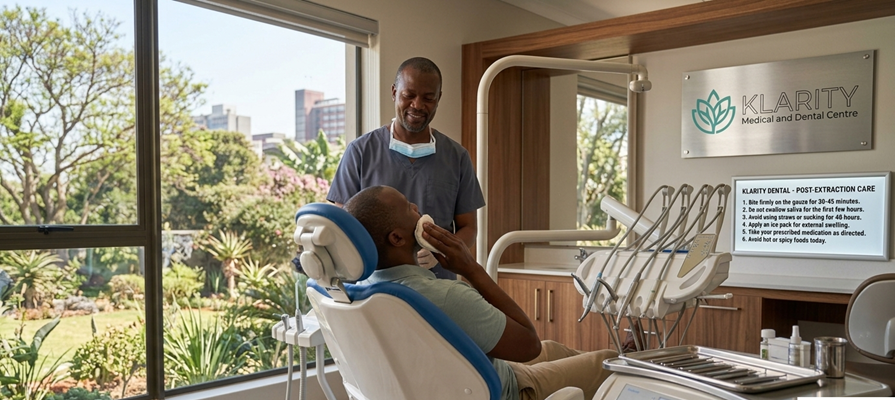
No one looks forward to having a
tooth pulled. However, when a tooth is severely damaged or causing chronic
pain, a professional tooth extraction is often the fastest, safest way to
eliminate discomfort and protect your overall oral health.
If you are a resident of Harare
facing severe dental pain, understanding how extractions work can help ease
your anxiety and help you make informed decisions about your dental care.
Common
Reasons for a Tooth Extraction
While dentists always strive to
save natural teeth through Tooth
Extractions & Fillings or root canals, an extraction
becomes necessary when a tooth is simply beyond repair. Common reasons include:
·
Severe Tooth Decay: When a cavity reaches the center of the tooth (the pulp) and causes an
infection that cannot be cured with antibiotics or a standard filling.
·
Impacted Wisdom Teeth: Wisdom teeth often lack the space to erupt properly, becoming stuck
under the gums and painfully pushing against healthy molars.
·
Overcrowding: Before starting Orthodontics (like braces or clear aligners), one or two teeth may occasionally need
to be removed to create space for proper jaw alignment.
·
Gum Disease: Advanced
periodontal disease can loosen teeth by slowly destroying the supporting
jawbone, eventually requiring removal.
How the
Procedure Works: Simple vs. Surgical
Modern extractions are highly
routine and nearly painless thanks to advanced local anesthesia. Depending on
your specific situation, your dentist will perform one of two types of
extractions:
1. Simple
Extraction: Performed on a tooth that is
fully visible above the gum line. The dentist numbs the area, gently loosens
the tooth, and carefully removes it.
2. Surgical
Extraction: Required for teeth that are
broken off at the gum line or impacted (like wisdom teeth). This may involve a
small incision in the gum to safely access the tooth. A comprehensive facility
will often recommend a digital X-ray from their Radiology department to map the tooth roots before surgery to ensure a smooth,
safe process.
Do's and
Don'ts for a Smooth Recovery
Proper aftercare is essential to
prevent a painful condition called "dry socket" (when the protective
blood clot in the healing hole is accidentally dislodged).
|
WHAT TO DO |
WHAT TO AVOID (THE DON'TS) |
|
Bite gently on the gauze pad
for 45 minutes to help a blood clot form. |
Do NOT use a straw for at least 48 hours; the suction can easily dislodge the clot. |
|
Apply an ice pack to your
cheek to reduce swelling for the first 24 hours. |
Do NOT smoke or use tobacco products, as
this severely delays the healing process. |
|
Eat soft foods like yogurt, mashed
potatoes, or soup for the first few days. |
Do NOT rinse your mouth vigorously on the first day. |
|
Take prescribed medications to
manage minor pain and prevent infection. |
Do NOT brush directly over the
extraction site for the first three days. |
Note: Once healed, you can maintain the health
of your remaining smile with regular Teeth
Cleaning & Whitening
appointments.
Replacing
the Missing Tooth
Unless the extracted tooth was a
wisdom tooth or removed for braces, leaving an empty gap in your smile can
cause neighboring teeth to shift and weaken your jawbone over time. Following
your recovery, you should discuss restorative options with your dental
professional.
Modern tooth replacement options
include Dentures
& Implants. Dental implants are permanent,
natural-looking titanium roots placed safely into the jawbone, while custom
dentures offer a comfortable, removable solution for replacing multiple missing
teeth.
Integrated
Dental & Medical Care in Harare
Klarity Medical Center dental
care is fully registered with the Medical and Dental Practitioners Council of
Zimbabwe (MDPCZ).
For comprehensive care, many
patients prefer integrated healthcare centers that offer multiple services
under one roof. For instance, Klarity Medical Group offers integrated
healthcare in Harare, featuring services that range from Pharmacy services to advanced Dental Care. Opting for a unified clinic like this
brings the convenience of a full-service pharmacy and Dental Clinic. This means
you can seamlessly transition from a diagnostic scan in the Diagnostics
& Screenings department, safely undergo your
extraction, and conveniently pick up your prescribed aftercare pain relief from
their on-site Pharmacy.
Next Steps
for Your Smile
If you are experiencing
throbbing tooth pain, swelling, or suspect you might need an extraction, do not
wait for the infection to spread. Early intervention is the key to painless,
effective treatment.
Start by booking a Consultation or scheduling routine Dental
Exams to have the tooth professionally assessed.
To secure an appointment with
trusted professionals, explore available Bookings online or visit the Contact
Us page to speak with a healthcare representative today.
