

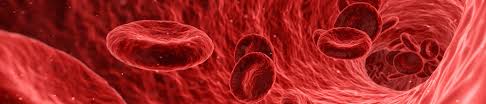
At Klarity Medical Group Laboratories, our Haematology and Coagulation tests are essential
diagnostic tools that
provide a deep understanding of your blood's health. Haematology focuses on the number and
shape of your blood cells
(red, white, and platelets), while Coagulation assesses your blood's ability to clot—a
crucial function for
preventing excessive bleeding.
These precise tests are foundational for detecting a wide range of conditions, from common
issues like
anemia to more complex disorders affecting your immunity and clotting ability.
Haematology tests are typically performed as part of a Full Blood Count (FBC) and offer critical insights into your body's overall function, oxygen capacity, and immune response.
| Test | Purpose and Importance | Specific Conditions Addressed |
|---|---|---|
| Full Blood Count (FBC) | The most common blood test; assesses all three main blood cell types (Red Blood Cells, White Blood Cells, Platelets). | Anemia (Iron or B12 deficiency), Infection, Inflammation, and screening for various blood disorders. |
| Malaria Parasites | Direct testing to confirm the presence of *Plasmodium* parasites, enabling rapid treatment. | Acute Malaria infection. |
| Blood Grouping | Essential test to determine your ABO blood type and Rh factor. | Crucial for safety in surgeries, transfusions, and pregnancy management. |
| ESR (Erythrocyte Sedimentation Rate) | Measures how quickly red blood cells settle; used as an indicator of general inflammation or disease activity. | Monitoring inflammatory conditions like arthritis or systemic disease. |
These tests measure how quickly your blood clots. They are vital before surgical procedures, for monitoring patients on blood thinners, or investigating unexplained bruising or bleeding.
| Test | Purpose and Importance | Specific Conditions Addressed |
|---|---|---|
| Prothrombin Time (PT) & INR | Measures how long it takes for a clot to form. INR standardizes the result for consistent monitoring. | Monitoring patients on oral anti-coagulants (e.g., warfarin), and assessing liver function. |
| Partial Thromboplastin Time (PTT) | Measures the time it takes for blood to clot, focusing on different clotting factors. | Detecting bleeding disorders (e.g., Hemophilia) or complications related to other medications. |
| D-dimer | Used to rule out the presence of excessive or inappropriate blood clot formation. | Ruling out Deep Vein Thrombosis (DVT) and Pulmonary Embolism (PE). |
| Coomb's Test (Direct & Indirect) | Used to detect antibodies that act against red blood cells. | Investigating certain types of anemia or monitoring blood compatibility issues. |
